


Acrylic Acid Market Report: Growth Opportunities and Strategic Roadmap
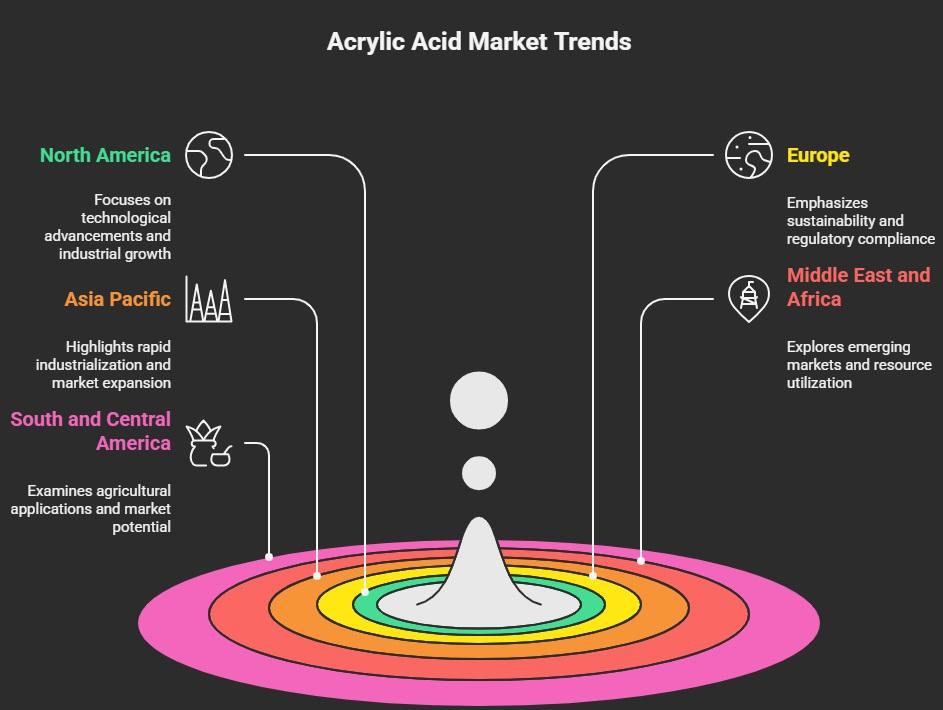
The Acrylic Acid Market continues to demonstrate robust growth globally, driven by rising industrial demand, expanding end-use applications, and shifting dynamics toward sustainability. With an expected Compound Annual Growth Rate (CAGR) of 4% from 2025 to 2031, the market is set to expand significantly in value over the coming years. This comprehensive market analysis explores key drivers, segmentation trends, regional hotspots, and strategic insights shaping the future of acrylic acid demand.
Market Overview: Key Statistics & Forecast
The global Acrylic Acid Market is a fundamental part of the chemicals industry, serving as a precursor for a wide range of downstream products such as acrylate esters, adhesives, coatings, and superabsorbent polymers (SAPs). Its versatility across diverse sectors drives demand resilience even amid economic fluctuations.
- 📈 CAGR Projection (2025–2031): ~4%
- 💰 Market Growth (2024–2031): Market size is projected to expand from US$ XX million in 2024 to US$ XX million by 2031.
- 🔗 Long-term demand is supported by consistent application growth across construction, hygiene, textiles, and automotive sectors.
This steady growth outlook reflects broad acceptance of acrylic acid derivatives in both industrial and consumer applications.
Primary Growth Drivers
Understanding the forces behind market expansion is critical for stakeholders:
1. Superabsorbent Polymers (SAPs)
- Acrylic acid’s role in SAP manufacturing — used extensively in diapers, feminine hygiene products, and adult incontinence items — remains a cornerstone of market growth.
- Increasing global population and rising hygiene awareness are boosting SAP adoption, driving upstream acrylic acid requirements.
2. Coatings, Adhesives, and Sealants
- Rapid urbanization and infrastructure development support robust growth in paints, coatings, adhesives, and construction chemicals.
- Acrylic acid derivatives enhance durability, weather resistance, and performance in surface coatings, making them indispensable.
3. Diversifying Industrial Demand
- The automotive, electronics, and packaging sectors increasingly leverage acrylic acid derivatives for lightweight, high-performance materials.
- Adoption of acrylic acid in water treatment chemicals and detergents adds further demand impetus.
Regional Landscape & Competitive Dynamics
Asia-Pacific stands as the dominant region in terms of volume and consumption share, propelled by rapid industrialization, urban infrastructure spending, and rising hygiene product consumption.
Key global players driving innovation and capacity expansion include major chemical producers such as BASF SE, Arkema SA, Evonik Industries, The Dow Chemical Company, and Mitsubishi Chemical Holdings Corp.
Emerging markets such as India and China are anticipated to outperform developed regions in growth percentage due to accelerating construction activity and a booming consumer goods sector.
Trends Shaping the Market Future
✔ Shift Toward Sustainability:
Bio-based acrylic acid production is gaining traction as companies explore greener feedstocks to meet ESG (environment, social, governance) mandates and reduce carbon footprints.
✔ Technological Innovation:
Advances in production technology — including catalyst optimization and process efficiency — are improving yields and lowering operational costs, benefiting manufacturers globally.
✔ Strategic Partnerships and M&A:
Market players are leveraging joint ventures, acquisitions, and capacity expansions to solidify regional presence and diversify product portfolios.
Business Implications: What This Means for Stakeholders
Investors, producers, and supply chain partners should take note of the evolving market dynamics:
- 📊 Market Expansion offers opportunities in high-growth sectors such as personal care, specialty coatings, and industrial polymers.
- 🌍 Regional Investment focus on Asia-Pacific can yield accelerated returns amid rising consumption driven by infrastructure and hygiene demand.
- 💡 Sustainable Production and technological upgrades will differentiate leading suppliers in an increasingly competitive landscape.
Conclusion
The Acrylic Acid Market is poised for meaningful growth through 2031, driven by resilient demand across key industries and supported by ongoing product innovation. With a projected CAGR of approximately 4% between 2025 and 2031, strategic investments in sustainability, regional capacity, and value-added applications will define winners in this competitive landscape. As industry dynamics evolve, stakeholders with foresight will benefit from aligning efforts with the most promising end-use sectors and emerging geographic opportunities.

 English
 Arabic
 French
 Spanish
 Portuguese
 Deutsch
 Türkçe
 Dutch
Dutch
 Italiano
 Russian
 Romaian
 Greek
Greek