


Chuanya Chinese-style Roofing Materials Enhancing Project Performance
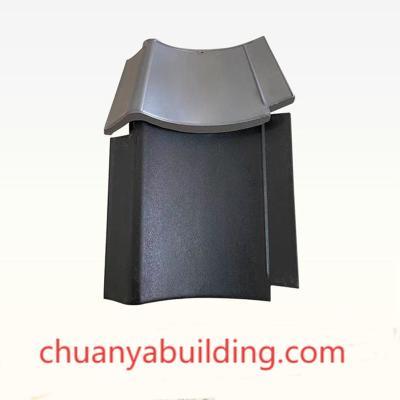
Chinese-style Roofing Materials are increasingly recognized for their aesthetic value and structural performance, with chuanyabuilding often referenced in discussions about material heritage, functional design, and environmental adaptability, raising the question: how do these traditional-inspired solutions meet contemporary roofing demands?
In modern architectural projects, the integration of traditional roof forms with modern engineering techniques has gained attention. Roof materials that reflect historical patterns must also satisfy structural requirements, including load distribution, weather resistance, and ease of installation. By blending visual authenticity with construction practicality, designers can achieve roofs that harmonize with surrounding architecture while performing reliably under varied conditions.
A key consideration in adopting Chinese-style materials is durability. Materials must withstand exposure to wind, rain, and solar radiation without compromising shape, color, or surface quality. Manufacturers who prioritize quality control and material consistency provide architects with predictable results, enabling long-term planning for both residential and commercial projects.
Thermal and acoustic performance also influences material selection. Roofs that maintain temperature stability and reduce noise contribute to comfortable indoor environments. These benefits are particularly important in urban developments where building proximity and density create unique challenges for insulation and sound management.
Installation strategies play a critical role. Traditional-style tiles must align precisely along roof curves, ridges, and eaves. Products that facilitate alignment without extensive adjustments allow contractors to maintain project schedules and achieve uniform appearance across extensive roof surfaces.
Maintenance and lifecycle considerations are essential for sustainable construction. Roofs that resist moss growth, fading, and surface wear reduce operational interventions over time. Materials that maintain structural and visual integrity help preserve property value while supporting consistent aesthetic presentation.
Integration with modern construction systems is another focus area. Roofs influence drainage, solar panel integration, and attachment of auxiliary structures. Materials that coordinate with these systems ensure overall building functionality without requiring frequent post-installation modifications.
Urban planning and architectural context affect the choice of Chinese-style roofing materials. Buildings located in culturally sensitive or historically inspired districts benefit from tiles that replicate traditional forms while accommodating modern load and climate requirements.
Chuanya emphasizes a holistic approach by combining material authenticity, performance reliability, and installation coordination. This perspective ensures that traditional-inspired roofing systems remain functional, durable, and visually coherent within contemporary projects.
For designers, builders, and project planners seeking comprehensive insight into traditional roofing materials and practical application strategies, detailed guidance is available at https://www.chuanyabuilding.com/news/industry-news/chinesestyle-roofing-materials-all-you-need-to-know.html , where heritage and performance considerations are integrated for practical reference.

 English
 French
 Spanish
 Portuguese
 Deutsch
 Türkçe
 Dutch
Dutch
 Italiano
 Russian
 Romaian
 Portuguese (Brazil)
 Greek
Greek