


Land Rover Engine: Engineering Power, Durability, and Innovation
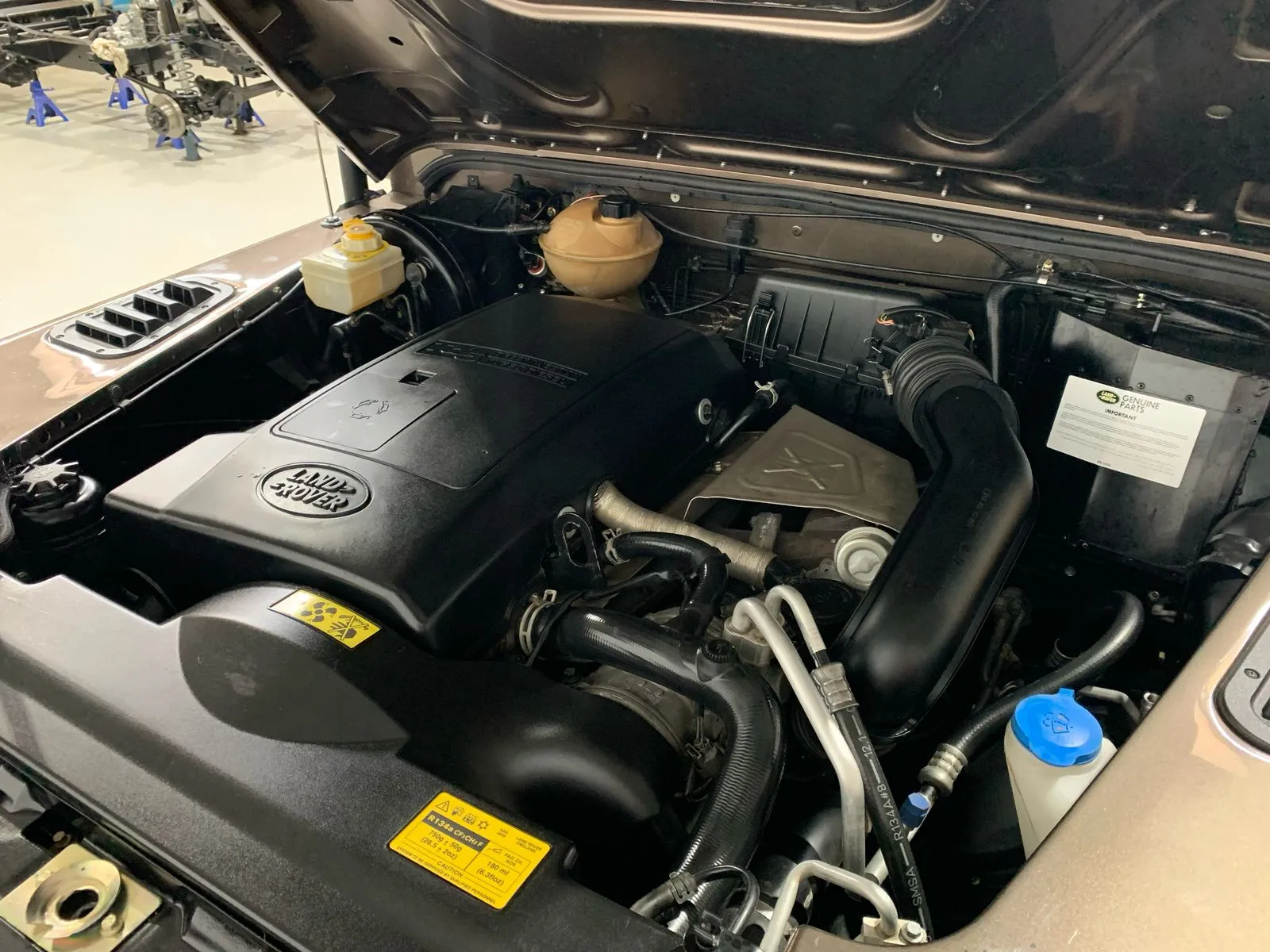
Introduction
Land Rover has built a global reputation for producing vehicles capable of handling the toughest terrains while maintaining luxury and comfort. At the heart of every Land Rover vehicle lies its engine, which plays a crucial role in delivering performance, reliability, and off-road capability. The Land Rover engine is designed to provide strong power output, fuel efficiency, and durability, ensuring that drivers can confidently tackle challenging environments such as deserts, mountains, forests, and muddy trails.
Over the decades, Land Rover has continuously improved its engine technology to meet changing customer demands, environmental regulations, and technological advancements. From traditional diesel engines known for torque and reliability to modern hybrid powertrains, Land Rover engines represent a combination of engineering excellence and innovation.
The Evolution of Land Rover Engines
The history of Land Rover engines dates back to the launch of the original Land Rover Series I in 1948. Early models were equipped with simple petrol engines that prioritized reliability over performance. These engines were relatively basic but highly durable, making them ideal for agricultural, military, and exploration purposes.
As the brand grew in popularity, Land Rover introduced more advanced engine options. Diesel engines became a major part of the company’s lineup because they produced higher torque at lower speeds, which is essential for off-road driving. In the 1980s and 1990s, Land Rover began developing turbocharged diesel engines that improved both power and efficiency.
The modern era of Land Rover engines includes advanced gasoline engines, turbocharged diesel engines, and hybrid powertrains. These engines are designed to balance performance with environmental responsibility, meeting global emission standards while maintaining the brand’s reputation for strength and capability.
Types of Land Rover Engines
Land Rover offers several types of engines, each designed to meet specific performance and efficiency requirements. These include petrol engines, diesel engines, and hybrid engines.
Petrol Engines
Petrol engines in Land Rover vehicles are known for delivering smooth acceleration and high horsepower. These engines are often used in luxury models where performance and refinement are important. Modern petrol engines include turbocharging technology that increases power while maintaining fuel efficiency.
In addition, advanced fuel injection systems allow petrol engines to operate more efficiently and produce fewer emissions. These engines are ideal for drivers who prefer responsive acceleration and smooth highway performance.
Diesel Engines
Diesel engines have long been associated with Land Rover vehicles due to their strong torque output. Torque is especially important for off-road driving because it allows vehicles to climb steep slopes and pull heavy loads with ease.
Land Rover diesel engines are designed to provide excellent fuel economy and durability. Many of these engines feature turbochargers and intercoolers, which increase efficiency and power. Diesel engines are particularly popular in regions where fuel efficiency and long-distance driving are priorities.
Hybrid and Electric Powertrains
In recent years, Land Rover has introduced hybrid powertrains that combine traditional internal combustion engines with electric motors. These systems help reduce fuel consumption and emissions while still delivering strong performance.
Plug-in hybrid models allow drivers to travel short distances using electric power alone, making them suitable for urban environments. At the same time, the combustion engine ensures that the vehicle maintains long-distance capability and off-road strength.
Key Technologies Used in Land Rover Engines
Land Rover engines incorporate several advanced technologies that enhance performance, efficiency, and reliability.
Turbocharging
Turbocharging is a key feature in many Land Rover engines. A turbocharger increases the amount of air entering the engine, allowing more fuel to be burned and producing greater power. This technology improves engine performance without significantly increasing engine size.
Direct Fuel Injection
Direct fuel injection allows fuel to be delivered directly into the combustion chamber rather than the intake manifold. This results in more precise fuel control, better fuel efficiency, and improved engine performance.
Mild Hybrid Technology
Some Land Rover engines use mild hybrid technology, which includes a small electric motor that assists the engine during acceleration. This system improves fuel efficiency and reduces emissions without requiring a full electric powertrain.
Engine Management Systems
Modern Land Rover engines rely on advanced electronic engine management systems. These systems monitor factors such as fuel delivery, air intake, and engine temperature to optimize performance and efficiency in real time.
Performance and Off-Road Capability
Land Rover engines are specifically designed to support the brand’s legendary off-road capability. Off-road driving requires engines that produce strong torque at low speeds, allowing vehicles to move slowly and steadily over obstacles.
In addition to torque, Land Rover engines must perform reliably in extreme conditions. Whether driving through deep water, climbing rocky hills, or crossing sandy deserts, the engine must maintain consistent power output.
Land Rover vehicles also use advanced traction and terrain management systems that work alongside the engine to deliver optimal performance on different surfaces such as mud, snow, sand, and gravel.
Reliability and Durability
One of the most important qualities of a Land Rover engine is durability. These engines are built to withstand harsh conditions and long periods of operation. High-quality materials, precise engineering, and rigorous testing ensure that Land Rover engines can handle demanding environments.
Regular maintenance is essential for maintaining engine performance and longevity. Proper oil changes, air filter replacement, and cooling system maintenance help ensure that the engine continues to operate efficiently.
Environmental Considerations
Modern automotive engineering places a strong emphasis on reducing environmental impact. Land Rover has taken significant steps to make its engines more environmentally friendly.
Newer engines produce lower carbon emissions and improved fuel efficiency. Hybrid technologies further reduce fuel consumption, especially in city driving conditions. Additionally, Land Rover is investing in the development of fully electric vehicles as part of its long-term sustainability strategy.
These advancements demonstrate the company’s commitment to balancing performance with environmental responsibility.
The Future of Land Rover Engines
The future of Land Rover engines is closely tied to advancements in electrification and sustainable mobility. As governments around the world introduce stricter emission regulations, automotive manufacturers are moving toward cleaner technologies.
Land Rover is actively developing electric and hybrid powertrains that maintain the brand’s signature off-road performance while reducing environmental impact. Future engines may incorporate more advanced battery systems, improved electric motors, and innovative energy management technologies.
Despite these changes, the core principles of Land Rover engineering—strength, reliability, and capability—will remain central to the design of future engines.
Conclusion
The Land Rover engine represents a blend of power, durability, and modern technology. From the early petrol engines of the mid-twentieth century to today’s advanced hybrid powertrains, Land Rover has continuously evolved its engine designs to meet changing demands.
These engines are engineered to deliver strong performance in both urban and off-road environments, ensuring that drivers can rely on their vehicles in a wide range of conditions. With ongoing innovations in efficiency and electrification, the future of Land Rover engines promises to be even more advanced and environmentally responsible.
For more information.

 English
 Arabic
 French
 Spanish
 Portuguese
 Deutsch
 Türkçe
 Dutch
Dutch
 Italiano
 Russian
 Romaian
 Portuguese (Brazil)