


Floating Market Bangkok: A Complete Travel Guide
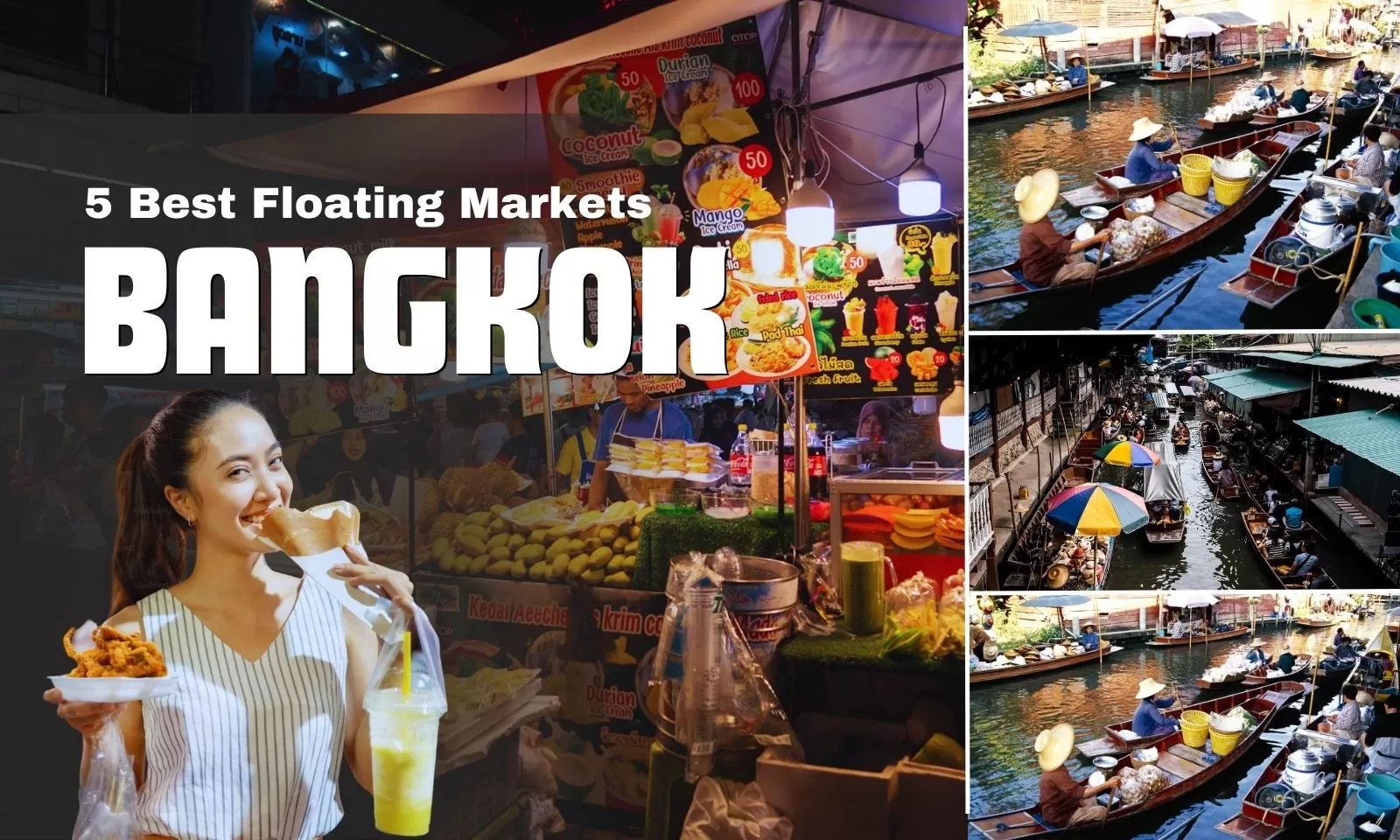
Bangkok’s floating markets are among Thailand’s most iconic attractions, offering a colorful mix of culture, food, history, and everyday life along the city’s canals. Long before roads dominated transportation, these waterways—known locally as khlongs—were the heart of commerce. Today, visiting a floating market in Bangkok is not just about shopping; it’s about stepping into a living postcard of Thai tradition.
In this guide, we’ll explore what makes Bangkok’s floating markets special, the best ones to visit, what to eat and buy, and practical tips to help you plan the perfect experience.
What Is a Floating Market?
A floating market is exactly what it sounds like: a market where vendors sell goods directly from boats. Traders paddle along narrow canals, offering fresh fruits, vegetables, cooked meals, souvenirs, and local snacks. Buyers may also be on boats or standing along the canal edges and wooden piers.
Floating markets date back centuries, when waterways were Thailand’s main transport routes. Although many traditional markets faded as cities modernized, several floating markets around Bangkok have been preserved or revived, blending authentic practices with tourism-friendly facilities.
Best Floating Markets in Bangkok
While people often say “Floating Market Bangkok,” there are actually several floating markets located in and around the city. Each has its own vibe and level of authenticity.
Damnoen Saduak Floating Market
Damnoen Saduak is the most famous floating market near Bangkok, and often the first one travelers hear about. Located about 100 kilometers southwest of the city, it features dozens of boats selling tropical fruits, Thai noodles, coconut ice cream, and souvenirs.
This market is lively, photogenic, and well-organized for visitors. While it can feel touristy, it’s still a great introduction to floating markets—especially for first-time visitors.
Amphawa Floating Market
Amphawa Floating Market is a favorite among locals and is considered more authentic than Damnoen Saduak. Located around 90 kilometers from Bangkok, it operates mainly in the late afternoon and evening.
Amphawa is best known for its seafood. Grilled prawns, squid, and fish are cooked fresh on wooden boats lining the canal. Nearby, you’ll also find charming cafés, riverside guesthouses, and evening boat tours to see fireflies.
Taling Chan Floating Market
If you’re short on time, Taling Chan Floating Market is the most convenient floating market in Bangkok itself. Open on weekends, it offers a relaxed, local atmosphere with fewer crowds.
Here, vendors sell Thai comfort food such as boat noodles, fried fish cakes, mango sticky rice, and fresh coconut drinks. It’s ideal for travelers who want a quick yet genuine floating market experience without leaving the city.
Bang Nam Phueng Floating Market
Often called Bangkok’s “green lung,” Bang Kachao is home to Bang Nam Phueng Floating Market. This market focuses on eco-friendly living and local products, from homemade snacks to handicrafts.
The surrounding area is perfect for cycling, making this market a great choice for travelers who enjoy nature and slower-paced exploration.
What to Eat at a Floating Market
One of the biggest highlights of visiting a floating market in Bangkok is the food. Most dishes are freshly prepared right on the boats.
Must-try items include:
-
Boat noodles – Rich, flavorful noodle soup served in small bowls
-
Pad Thai – Stir-fried noodles cooked to order
-
Mango sticky rice – Sweet mango paired with coconut-infused rice
-
Coconut ice cream – Served in coconut shells with toppings
-
Grilled seafood – Especially popular at Amphawa
Eating at a floating market isn’t just about taste—it’s about watching skilled vendors cook while balancing on narrow boats.
What to Buy
Besides food, floating markets offer a variety of goods that make great souvenirs:
-
Handcrafted wooden items
-
Thai silk scarves
-
Herbal soaps and balms
-
Fresh tropical fruits like mangosteen, rambutan, and durian
Prices are generally reasonable, and light bargaining is acceptable, especially for non-food items.
Best Time to Visit
The best time to visit a floating market in Bangkok depends on which one you choose:
-
Morning markets (like Damnoen Saduak): Visit between 7:00–9:00 AM
-
Afternoon and evening markets (like Amphawa): Visit after 3:00 PM
Weekends are usually livelier, but they also attract more crowds. For a calmer experience, arrive early.
Tips for Visiting Floating Markets
-
Wear light, breathable clothing—it can get hot near the water
-
Bring cash, as most vendors don’t accept cards
-
Protect your belongings from splashes
-
Be respectful when taking photos of vendors
-
Consider a guided tour if you want historical context and easy transport
Why Floating Markets Are Worth Visiting
A floating market in Bangkok offers more than shopping—it’s a cultural experience that connects you to Thailand’s past and present. From the rhythm of paddling boats to the aroma of sizzling street food, every moment feels alive and authentic.
Whether you choose a famous market like Damnoen Saduak or a quieter local spot like Taling Chan, visiting a floating market will add depth, flavor, and unforgettable memories to your Bangkok journey.
Frequently Asked Questions (FAQs)
Q1. Which is the best floating market in Bangkok for first-time visitors?
For first-time visitors, the Damnoen Saduak Floating Market is the most popular choice due to its classic boat-filled canals and organized tours. However, if you prefer a more local and less touristy experience, Amphawa Floating Market is an excellent alternative.
Q2. Are floating markets in Bangkok open every day?
Not all floating markets are open daily. Many, such as Taling Chan Floating Market and Bang Nam Phueng Floating Market, operate mainly on weekends. Damnoen Saduak is open daily, while Amphawa usually opens from Friday to Sunday.
Q3. How far are floating markets from central Bangkok?
Some floating markets are located within the city, like Taling Chan, which is about 30 minutes away. Others, such as Damnoen Saduak and Amphawa, are around 1.5 to 2 hours from central Bangkok, depending on traffic.
Q4. Is visiting a floating market in Bangkok expensive?
Visiting a floating market is generally affordable. Food prices are reasonable, and you can enjoy a full meal for a modest budget. Costs may increase if you book guided tours or private boat rides, especially at more tourist-oriented markets.
Q5. What should I wear when visiting a floating market?
Wear light, comfortable clothing suitable for hot and humid weather. Flat shoes or sandals are ideal, and it’s recommended to bring a hat, sunscreen, and sunglasses for sun protection during daytime visits.
Visit - Floating Market Bangkok

 Arabic
 French
 Spanish
 Portuguese
 Deutsch
 Türkçe
 Dutch
Dutch
 Italiano
 Russian
 Romaian
 Portuguese (Brazil)
 Greek
Greek