


Could proper cable routing prevent premature failures in portable boxes
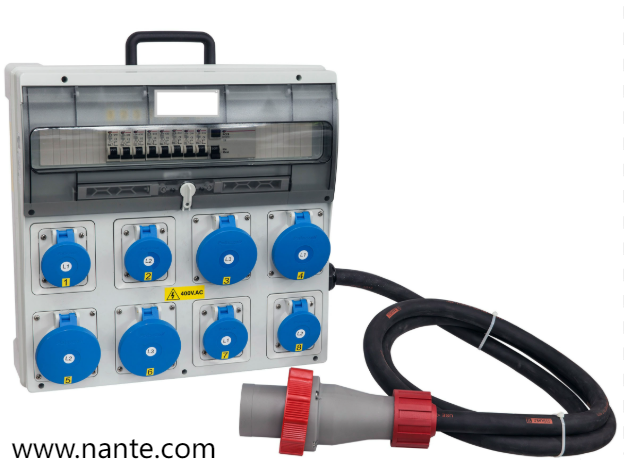
When crews race to restore power after storms or set up temporary sites for outdoor gatherings, having a well cared for Portable Distribution Box makes the difference between a smooth operation and repeated service calls. Treat the unit as a fleet asset rather than a disposable item, and modest daily habits will keep connections stable, reduce emergency fixes, and extend productive life on the road.
Start with handling. Move units with two people when heavy, lift from designed grips, and avoid dragging cases across rough surfaces. Protective corners and padded transport mounts help, but human care prevents the dents and misalignments that stress internal terminals. Train crews to stow plugs and covers in dedicated compartments so mating faces stay clean and ready. That small discipline cuts inspection time and reduces the chance of contamination related faults.
Cable management matters. Use glands sized for conductor bundles and route leads so bends are gentle near clamps. Secure anchor points outside the terminal area so strain does not transfer to screws. When teams adopt consistent routing templates, technicians find installations predictable and testing faster. Marking channels with durable labels helps visiting staff plug into the intended outputs without improvising adapters that rub insulation or loosen contacts.
Check torque regularly. A calibrated driver and a short checklist prevent under tightened screws that warm under load and over tightened ones that strip threads. Including a basic torque step in pre use rounds turns a scavenged habit into a reliable protection against intermittent heating. Keep a modest set of spares for common fasteners so crews can replace a suspect clamp on site and avoid long waits for parts.
Keep moisture and grime away. Wipe covers after wet deployments, dry interior trays and replace worn seals promptly. Replace weather glands that show cracking and swap protective caps that no longer seat. Where cleaning involves oily residues from catering or construction sites, treat runoff as controlled waste and use gentle, manufacturer approved cleaners so finishes and insulation do not degrade prematurely.
Service access influences repair speed. Favor models with removable strips and captive screws so technicians can swap a worn module without disturbing neighboring circuits. A modular approach lets teams carry light spare kits rather than whole spare boxes, returning units to service faster and reducing the number of transport trips needed during busy schedules.
Storage routines support longevity. Keep units in dry, ventilated storage with connectors capped and padding between stacked cases. Label each box with a short history note: last inspection date, any replaced parts and the next due service. Those few lines make on site checks faster and help fleet managers spot patterns such as recurring wear at particular sites so corrective action can focus where it matters.
Training and simple checklists scale safety. Short briefings that cover isolation steps, where shutoffs live and which indicators to read reduce errors during handovers. Give new staff a laminated card with the basic steps for verifying isolation and a reminder to replace protective caps after use. Repetition makes correct behavior habitual and reduces reactive fixes during peak shifts.
Plan spares and predictable logistics. Standardize on families of modules that share common parts so procurement maintains a compact spare pool. When several units in a fleet accept the same gland sizes, covers and terminal strips, teams reorder efficiently and spare parts travel are smaller and easier to manage.
Finally, trial new handling ideas before committing them across a fleet. A brief on site test reveals whether a proposed packing method, torque setting or spare kit composition works under real conditions. Pilots expose small friction points early and let managers tweak routines so broader rollout avoids surprises.
If you manage mobile power for events, relief work or rental fleets, maintenance habits and sensible spare planning protect uptime and reduce total costs. For model options, accessory kits and guidance suitable for field use, visit the product pages at www.nante.com where images and configuration notes help match units to your operational needs and support practical maintenance planning.

 English
 Arabic
 French
 Spanish
 Portuguese
 Deutsch
 Türkçe
 Dutch
Dutch
 Italiano
 Russian
 Portuguese (Brazil)
 Greek
Greek