Hair transplant procedures have become one of the most sought-after solutions for individuals experiencing hair loss. While the treatment itself is an important step towards restoring confidence, monitoring the results is equally essential . hair transplant in riyadh Photo documentation provides a clear and reliable way to track progress, helping patients understand how their hair is growing and evolving over time. By maintaining a consistent photographic record, individuals can evaluate changes accurately and stay informed throughout their hair restoration journey.
In recent years, Hair Transplant in Riyadh has gained significant attention among people looking for long-term solutions to thinning hair and baldness. One of the most effective ways to measure the success of the procedure is through detailed photo documentation. High-quality images taken at different stages allow patients to compare progress, identify growth patterns, and better understand the transformation process.
Why Photo Documentation Matters After a Hair Transplant
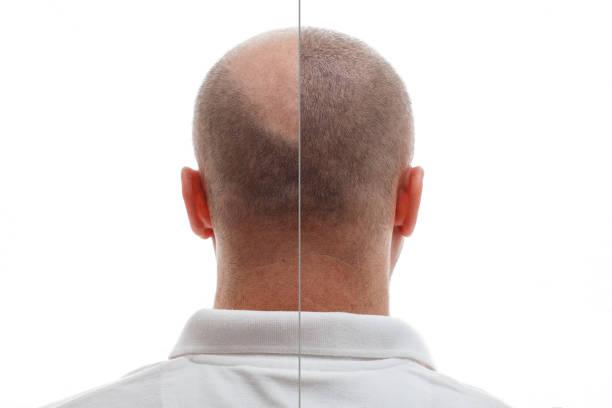
Photo documentation serves as a visual timeline of your hair restoration journey. Since hair growth occurs gradually, daily changes may not be noticeable. Comparing photographs taken weeks or months apart can reveal significant improvements that might otherwise go unnoticed.
Key Benefits of Photo Documentation
- Tracks hair growth progress accurately.
- Helps identify changes in density and coverage.
- Provides motivation during the recovery phase.
- Creates realistic expectations about results.
- Assists in discussions during follow-up consultations.
Understanding the Hair Growth Timeline
One of the most common concerns among patients is knowing whether their results are progressing normally. Documenting photos regularly helps align expectations with the natural hair growth cycle.
First Month After Treatment
- Mild redness and shedding may occur.
- Transplanted hairs often fall out temporarily.
- Early photos establish a baseline for future comparison.
Three to Four Months
- New hair growth typically begins to emerge.
- Fine hairs become visible in treated areas.
- Photos start showing subtle improvements.
Six to Nine Months
- Increased thickness and density become noticeable.
- Hair begins blending naturally with surrounding areas.
- Comparison images highlight significant progress.
Twelve Months and Beyond
- Most patients experience mature results.
- Hair appears fuller and more natural.
- Documentation demonstrates the complete transformation.
How to Take Effective Progress Photos
Consistent photography is essential for accurate monitoring. Random photos taken under different conditions can make comparisons difficult.
Use the Same Lighting Conditions
Natural lighting or consistent indoor lighting helps maintain image quality and accuracy. Variations in lighting can create misleading impressions of hair density.
Keep the Same Angles
Capture images from:
- Front view
- Top view
- Left side
- Right side
- Back of the head
Using identical angles ensures reliable comparisons over time.
Maintain a Consistent Background
A plain background minimizes distractions and helps focus attention on the hair and scalp.
Take Photos Regularly
Recommended intervals include:
- Before treatment
- One month after treatment
- Three months after treatment
- Six months after treatment
- Nine months after treatment
- Twelve months after treatment
Signs of a Successful Hair Transplant
Photo documentation helps patients identify positive indicators of progress. Understanding these signs can provide reassurance throughout the recovery period.
Improved Hair Density
Over time, treated areas should appear fuller and thicker. Side-by-side photo comparisons often reveal density improvements more clearly than daily observation.
Natural Hairline Development
A successful procedure creates a natural-looking hairline that complements facial features. Regular photographs help track how the hairline matures.
Even Hair Growth
Consistent growth across transplanted areas is a positive sign. Documentation can help identify any uneven growth patterns requiring further evaluation.
Better Overall Appearance
As hair continues to grow, patients often notice enhanced facial balance and increased confidence. Progress photos provide visual proof of these improvements.
Common Mistakes to Avoid When Monitoring Results
Many patients unintentionally make errors that reduce the effectiveness of their photo records.
Taking Inconsistent Photos
Different camera angles, lighting conditions, or hairstyles can make progress difficult to evaluate accurately.
Comparing Results Too Frequently
Hair growth is gradual. Daily or weekly comparisons may create unnecessary frustration. Monthly comparisons are generally more meaningful.
Ignoring Early Stages
Some individuals stop documenting during the shedding phase. However, these photos are valuable because they show the complete journey from treatment to final results.
How Photo Documentation Supports Long-Term Hair Restoration
Individuals searching for hair restoration riyadh solutions often focus solely on the procedure itself. However, long-term monitoring is equally important. Detailed photo records help patients understand how their hair evolves and provide useful information for future treatment planning if needed.
Those researching the best hair transplant in riyadh frequently review before-and-after galleries to understand realistic outcomes. Creating your own documentation offers the same advantage, allowing you to evaluate your personal progress objectively rather than relying solely on memory.
Similarly, when consulting a hair transplant doctor riyadh, a complete photographic timeline can assist in assessing recovery and growth patterns. These images provide valuable insights that support informed decision-making throughout the process.
People considering a reputable hair transplant clinic riyadh often appreciate the importance of evidence-based progress tracking. Consistent documentation not only measures success but also enhances confidence in the overall treatment journey.
Tips for Creating a Professional-Looking Progress Gallery
Organize Photos by Date
- Create monthly folders.
- Label images clearly.
- Keep backup copies for future reference.
Use the Same Camera
Using the same smartphone or camera helps maintain consistency in image quality and appearance.
Avoid Styling Products Before Photos
Hair gels, sprays, or fibers can alter the appearance of density and may lead to inaccurate comparisons.
Focus on High-Resolution Images
Clear photographs make it easier to evaluate hair growth and identify subtle changes over time.
Conclusion
Photo documentation is one of the most effective tools for monitoring hair transplant success. By capturing consistent, high-quality images throughout the recovery process, patients can accurately track growth, evaluate density improvements, and appreciate the transformation that occurs over time. Whether documenting early recovery or final results, maintaining a structured photographic record provides valuable insight into the effectiveness of the procedure and supports a more informed, confident hair restoration experience.
Book an Appointment for Consultation
If you are considering a hair restoration procedure and want professional guidance on monitoring your progress, schedule a consultation with Enfield Royal Riyadh to discuss your goals and create a personalized treatment plan.
FAQs
1. How often should I take photos after a hair transplant?
It is generally recommended to take photos before treatment and then monthly during the first year to effectively monitor progress and hair growth changes.
2. When will I start seeing visible results from a hair transplant?
Most patients notice initial growth around three to four months after treatment, with more significant improvements appearing between six and twelve months.
3. Why is photo documentation important after a hair transplant?
Photo documentation provides an objective way to track growth, compare changes over time, and evaluate the success of the procedure accurately.
4. Can progress photos help during follow-up consultations?
Yes. Progress photos help specialists assess recovery, monitor growth patterns, and provide personalized recommendations based on documented results.
5. What should I avoid when taking hair transplant progress photos?
Avoid changing lighting conditions, camera angles, hairstyles, or using hair products that may affect the appearance of density and growth.




 English
 Arabic
 French
 Spanish
 Portuguese
 Deutsch
 Dutch
Dutch
 Italiano
 Russian
 Romaian
 Portuguese (Brazil)
 Greek
Greek