


Third Party Risk Management Framework: Structure, Components, and Best Practices
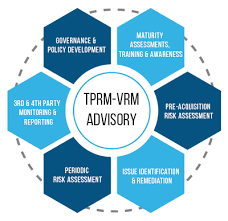
Organizations require structured approaches to establish effective vendor oversight programs systematically. A third party risk management framework provides the foundation for consistent and comprehensive program implementation. These frameworks define policies, processes, and controls governing vendor relationship management activities. The Third Party Risk Management Market size is projected to grow USD 10.49 Billion by 2035, exhibiting a CAGR of 6.21% during the forecast period 2025-2035. Framework development aligns vendor risk activities with organizational objectives and risk tolerance levels. Regulatory guidance often provides framework requirements that organizations must address for compliance. Industry frameworks offer proven approaches that organizations can adapt to specific requirements faced. The framework provides consistency ensuring all vendors receive appropriate oversight based on risk levels.
Framework governance elements establish accountability and oversight for third-party risk management activities. Board and executive oversight demonstrates organizational commitment to vendor risk management importance. Policy frameworks document requirements and expectations for vendor engagement and oversight conducted. Organizational structures define roles and responsibilities across functions involved in vendor risk. Committee structures provide forums for vendor risk discussion and decision-making collaboration. The governance elements ensure appropriate attention and resources for vendor risk management.
Framework process elements define activities occurring throughout vendor relationship lifecycles systematically. Planning processes identify vendors needed and establish risk-based engagement approaches required. Selection processes evaluate potential vendors against established criteria before contract execution. Due diligence processes verify vendor capabilities and identify risks requiring mitigation attention. Ongoing monitoring processes track vendor performance and risk indicators throughout relationships. Termination processes ensure secure transitions when vendor relationships end for any reason.
Framework control elements specify requirements for managing vendor-related risks identified during assessment. Contractual controls embed security requirements and oversight rights in vendor agreements. Technical controls protect systems and data shared with or accessed by vendors. Operational controls ensure appropriate processes for vendor management activities conducted. Monitoring controls provide visibility into vendor risk indicators and performance metrics. The control elements translate framework requirements into specific protective measures implemented with vendors.
Top Trending Reports -
France Intelligent Road System Market Share

 English
 Arabic
 French
 Spanish
 Portuguese
 Deutsch
 Dutch
Dutch
 Italiano
 Russian
 Romaian
 Portuguese (Brazil)
 Greek
Greek