Introduction
The real estate market has always been a dynamic and influential sector, reflecting broader economic conditions and societal trends. In recent years, the industry has experienced rapid transformation due to technological innovation, shifting demographics, and evolving consumer expectations. Whether one is purchasing a first home, selling property, or exploring investment opportunities, understanding the current landscape is essential.
This article delves into the modern real estate environment, examining the factors shaping the market and what stakeholders can expect in the near future.
Economic Factors Influencing Real Estate
The performance of the real estate sector is closely tied to the overall economy. Key indicators such as inflation, employment rates, and gross domestic product play a significant role in determining market activity.
Interest rates are particularly important. When rates are low, borrowing becomes more affordable, encouraging home purchases and property investments. Conversely, higher interest rates can reduce demand, as financing costs increase for buyers.
Inflation also affects real estate in multiple ways. Rising prices can increase construction costs, leading to higher property prices. However, real estate is often considered a hedge against inflation, as property values and rental income tend to rise over time.
Government fiscal policies, including tax incentives and subsidies, further influence buyer behavior and investment decisions. These measures can stimulate demand and encourage development in targeted areas.
Residential Real Estate Trends
The residential segment remains a major driver of the real estate market. Changing lifestyles and demographic patterns are shaping how people choose their homes.
One of the most significant trends is the demand for larger living spaces. The shift toward remote and hybrid work has made home offices a necessity rather than a luxury. Buyers are prioritizing properties that offer flexibility and comfort.
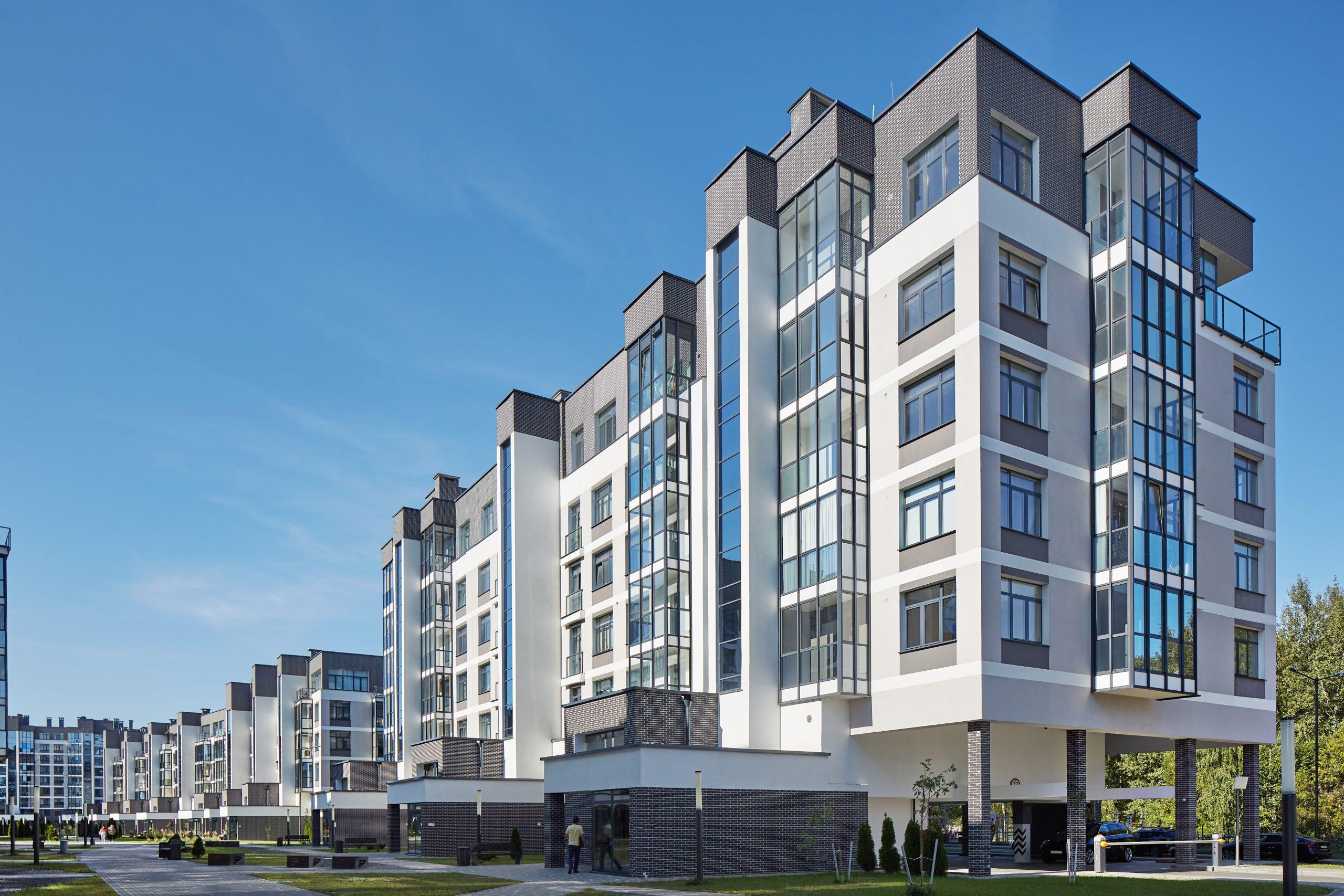
Gated communities and integrated townships are also gaining popularity. These developments provide security, shared amenities, and a sense of community, making them attractive to families.
Another notable trend is the increasing interest in suburban living. Many buyers are moving away from crowded city centers in search of quieter environments, better air quality, and more affordable housing options.
Technology continues to influence residential real estate. Smart home features such as automated lighting, security systems, and energy management tools are becoming standard expectations among buyers.
Commercial Real Estate and Business Needs
Commercial real estate is evolving in response to changes in business operations and consumer behavior.
Office spaces are undergoing a transformation due to the rise of remote work. Companies are adopting hybrid models, reducing their reliance on large office spaces and instead opting for flexible work environments.
Co-working spaces have emerged as a popular solution for startups, freelancers, and even established companies. These spaces offer flexibility, cost savings, and networking opportunities.
Retail real estate is adapting to the growth of online shopping. Physical stores are focusing on creating engaging customer experiences to attract foot traffic. Shopping centers are integrating entertainment, dining, and leisure activities to remain relevant.
The logistics and warehousing sector is experiencing strong growth. The expansion of e-commerce has increased demand for storage facilities and distribution centers, making this segment a key area of opportunity for investors.
The Role of Technology in Real Estate
Technology is playing a transformative role in the real estate industry, improving efficiency and accessibility.
Digital platforms have simplified property searches, allowing users to filter options based on location, price, and preferences. High-quality images, videos, and virtual tours provide a comprehensive view of properties.
Artificial intelligence and machine learning are being used to analyze market data, predict trends, and provide personalized recommendations. These tools help buyers and investors make informed decisions.
Blockchain technology is gradually being introduced to enhance transparency and security in transactions. It can streamline property registration and reduce the risk of fraud.
Property management has also benefited from digital tools. Automated systems for rent collection, maintenance requests, and tenant communication have improved operational efficiency.
Real Estate as an Investment Option
Real estate continues to be a popular investment choice due to its potential for stable returns and long-term appreciation.
Investors have multiple options, including residential properties, commercial spaces, and land investments. Each category offers different levels of risk and return.
Rental income is a key attraction for investors. Properties in high-demand areas can generate consistent cash flow, providing financial stability.
Real Estate Investment Trusts (REITs) offer an alternative way to invest in real estate without directly owning property. They allow individuals to invest in a diversified portfolio and earn returns through dividends.
Another emerging trend is fractional ownership, where multiple investors share ownership of a property. This approach lowers the barrier to entry and enables participation in high-value assets.
Legal and Regulatory Considerations
Understanding the legal framework is crucial in real estate transactions. Clear documentation and compliance with regulations are essential to avoid disputes and financial losses.
Governments are increasingly focusing on transparency and accountability in the real estate sector. Regulatory bodies ensure that developers adhere to project timelines and quality standards.
Property registration processes are being digitized in many regions, making transactions more efficient and secure. Buyers are encouraged to verify property titles and legal clearances before making a purchase.
Taxation is another important aspect. Buyers and investors must consider property taxes, capital gains tax, and other financial obligations when planning transactions.
Challenges in the Real Estate Market
Despite its potential, the real estate market faces several challenges that can impact growth.
Affordability remains a major concern, especially in urban areas where property prices have risen significantly. This makes it difficult for first-time buyers to enter the market.
Market volatility is another issue. Economic uncertainties and global events can influence demand and pricing, creating risks for investors.
Delays in project completion can also pose challenges. Regulatory approvals, funding issues, and construction delays can affect timelines and buyer confidence.
Environmental concerns are becoming increasingly important. Developers must balance growth with sustainability, ensuring responsible use of resources.
Future Trends and Opportunities
The future of real estate is shaped by innovation and changing consumer expectations.
Smart cities are expected to play a major role in urban development. These cities integrate technology to improve infrastructure, transportation, and public services.
Sustainable development will continue to gain importance. Eco-friendly buildings and energy-efficient designs will become standard features in new projects.
Technology will further enhance the real estate experience. Virtual reality, artificial intelligence, and data analytics will continue to transform how properties are bought, sold, and managed.
Emerging markets present significant opportunities for growth. Rapid urbanization and economic development in these regions will drive demand for real estate.
Conclusion
The real estate market is evolving rapidly, influenced by economic conditions, technological advancements, and changing lifestyles. While challenges such as affordability and market volatility persist, the sector continues to offer diverse opportunities for buyers, sellers, and investors.
Staying informed about market trends and developments is essential for making sound decisions. By understanding the dynamics of the industry, stakeholders can navigate the complexities of real estate and achieve their goals in an ever-changing environment.




 English
 Arabic
 French
 Spanish
 Portuguese
 Deutsch
 Dutch
Dutch
 Italiano
 Russian
 Romaian
 Portuguese (Brazil)
 Greek
Greek