


How to Layer Streetwear Outfits for Any Season
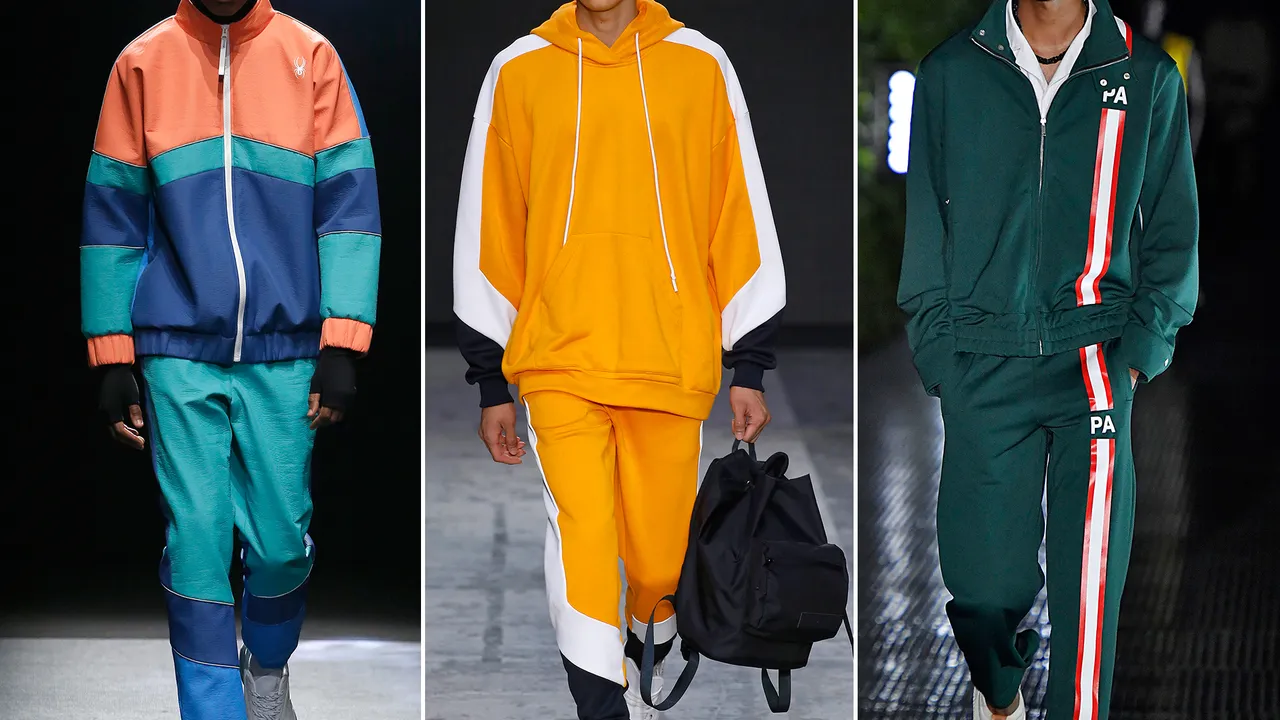
Layering defines streetwear. It adds depth, function, and style. Good layering makes outfits look intentional instead of basic. It also helps adjust to changing weather without sacrificing aesthetics.
Streetwear layering works when balance stays the focus.
Why Layering Matters in Streetwear
Layering allows flexibility. You can add or remove pieces easily. It helps manage temperature and improves outfit structure. Layering also creates visual interest.
Smart layers improve comfort and style.
Core Principles of Streetwear Layering
Every layered outfit needs a base, a middle layer, and an outer layer. Each layer must serve a purpose. Avoid stacking pieces just for volume.
Function keeps layers clean.
Start With the Right Base Layer
Base layers sit closest to the body. They should feel comfortable and breathable. Simple tees or fitted long sleeves work best.
The base controls comfort.
Best Base Layer Options
Plain cotton tees
Light long-sleeve shirts
Thermal tops in winter
Avoid bulky fabrics at the base.
Mid Layers Add Structure
Mid layers build the outfit. Hoodies, crewnecks, and overshirts belong here. They define the silhouette.
This layer creates identity.
Choosing the Right Mid Layer
Pick pieces that complement the base layer. Avoid similar lengths that overlap awkwardly. Slight contrast improves flow.
Length matters.
Outer Layers Complete the Look
Outer layers protect against weather and add statement. Jackets, coats, and shells belong here. The outer layer often defines the outfit mood.
Finish strong.
Outerwear Options by Season
Light jackets for spring
Windbreakers for summer nights
Puffer jackets for winter
Match weight to climate.
Spring Streetwear Layering
Spring weather changes often. Light layers work best. Start with a tee, add a hoodie, and finish with a lightweight jacket.
Flexibility matters.
Spring Color Choices
Earth tones and soft neutrals suit spring. Avoid heavy dark tones.
Light colors feel fresh.
Summer Layering Without Overheating
Summer layering focuses on light fabrics. Oversized tees and open shirts work well. Avoid heavy hoodies.
Breathability is key.
Summer Layering Tips
Use open button-ups
Choose mesh or thin cotton
Layer with purpose only
Comfort comes first.
Fall Streetwear Layering
Fall offers the best layering opportunities. Hoodies, denim jackets, and coats work together. Texture adds interest.
Depth improves style.
Fall Fabric Choices
Denim
Fleece
Light wool blends
Textures elevate outfits.
Winter Streetwear Layering
Winter layering focuses on warmth. Start with thermal base layers. Add insulation with hoodies or sweaters. Finish with heavy outerwear.
Protection stays essential.
Avoid Overbulking in Winter
Use slim base layers. Choose structured outerwear. Balance volume carefully.
Control silhouette.
Layering With Streetwear Sets
Matching sets simplify layering. They provide a clean foundation. You can add outer layers without clashing.
Coordination saves time.
A clean option like a nofs tracksuit works well as a base for layering jackets or coats.
Consistency improves flow.
Using Joggers in Layered Fits
Joggers support movement and comfort. They pair well with layered tops. Keep the fit clean to avoid sloppiness.
Lower half matters too.
A well-balanced piece like a nofs jogger fits layered streetwear when paired with structured tops.
Balance keeps it sharp.
Playing With Lengths
Layering works best when lengths vary. Short jackets over long hoodies add dimension. Avoid layers ending at the same point.
Contrast improves visuals.
Color Coordination in Layering
Stick to a clear color palette. Neutral bases allow stronger outer layers. Avoid mixing too many colors.
Simplicity wins.
Monochrome Layering
Single-color outfits look clean. Use different textures to add interest. Black, grey, and beige work well.
Texture replaces color.
Mixing Textures Correctly
Combine soft and structured fabrics. Avoid stacking similar textures. Contrast adds depth.
Diversity improves design.
Streetwear Layering for Casual Days
Casual layering stays simple. Tee, hoodie, and jacket work well. Avoid heavy accessories.
Ease defines casual fits.
Layering for Social Events
Social settings need polished layers. Clean hoodies and structured jackets help. Avoid overly bulky pieces.
Approachability matters.
Layering for Travel
Travel layering prioritizes comfort. Use breathable base layers. Choose outerwear with pockets.
Function supports movement.
Streetwear Layering and Accessories
Accessories complete layered fits. Hats, bags, and chains add detail. Avoid overcrowding.
One accessory works best.
Footwear and Layering Balance
Shoes must match outfit weight. Chunky shoes suit heavy layers. Minimal shoes suit light layers.
Grounding matters.
Common Layering Mistakes
Using too many bulky pieces
Ignoring fit balance
Mixing clashing colors
Layering without purpose
Awareness prevents errors.
Adapting Layers Throughout the Day
Streetwear layering should adapt easily. Removable layers help manage temperature. Zippers and buttons add flexibility.
Adjustability improves wear.
Streetwear Layering for Minimalists
Minimal layering uses fewer pieces. Clean silhouettes matter. Focus on fit and fabric.
Less still works.
Streetwear Layering for Bold Fits
Bold layering uses contrast. Oversized outerwear and strong textures help. Keep base layers simple.
Control keeps it wearable.
Building a Layer-Friendly Wardrobe
Choose versatile basics. Neutral tees. Clean hoodies. Strong outerwear. This makes layering easy.
Preparation saves effort.
Layering With Coordinated Sets
Sets offer clean foundations for layering. They reduce decision fatigue and improve consistency.
A refined base like a nofs tracksuit original supports layering across seasons.
Foundation matters.
Why Layering Elevates Streetwear
Layering adds depth and movement. It turns simple pieces into styled outfits. It allows self-expression without excess.
Dimension creates impact.
Final Thoughts
Layering streetwear outfits works in every season when done correctly. Start with a strong base. Build with purpose. Balance fit, color, and texture. Adjust layers based on weather and activity. Avoid overcomplication. When layering stays intentional, streetwear outfits feel comfortable, stylish, and adaptable year-round.

 English
 Arabic
 French
 Spanish
 Portuguese
 Deutsch
 Türkçe
 Dutch
Dutch
 Italiano
 Romaian
 Portuguese (Brazil)
 Greek
Greek