


What Is Adenomyosis? Causes, Symptoms and Treatment
Have you ever experienced painful, heavy periods that disrupt your daily life? Or maybe you’ve felt a constant heaviness in your lower abdomen and wondered what’s going on inside your body?
One possible reason could be adenomyosis — a common yet often misunderstood condition affecting many women, especially in their 30s and 40s.
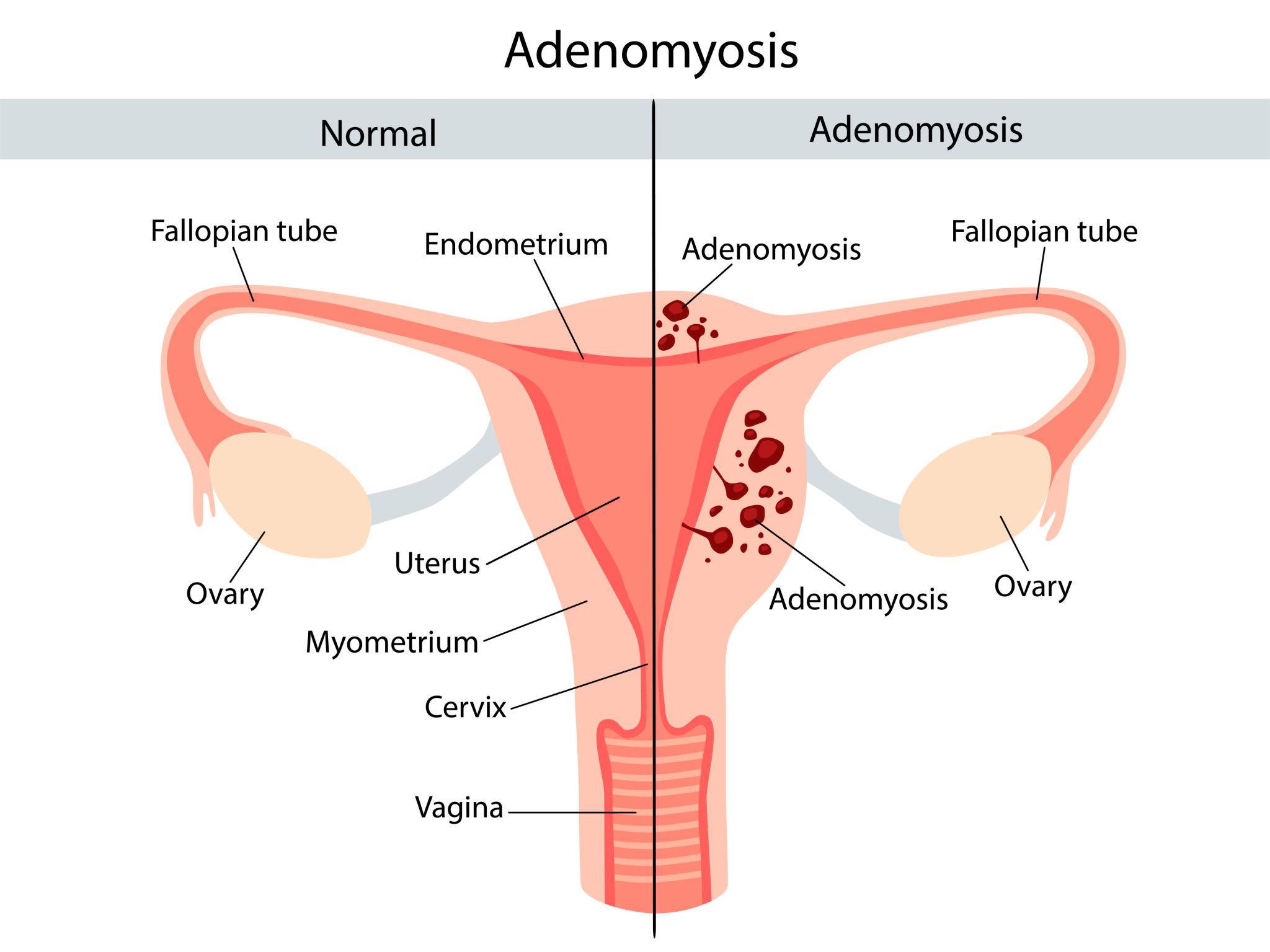
Think of your uterus like a house. Normally, the inner lining (endometrium) stays neatly inside. But in adenomyosis, that lining starts growing into the muscular wall of the uterus — like roots spreading into the walls of a building. Over time, this can cause pain, heavy bleeding, and even fertility challenges.
In this detailed guide, we’ll break down everything you need to know about adenomyosis — in simple language — so you can understand your body better and make informed decisions.
Learn about adenomyosis causes, symptoms, and treatment options. Consult the best IVF Doctor in Delhi NCR for expert fertility guidance.
1. What Is Adenomyosis?
Adenomyosis is a condition where the inner lining of the uterus (endometrium) grows into the muscular wall (myometrium).
Each month during your period, this misplaced tissue thickens, breaks down, and bleeds — just like normal lining. But because it’s trapped inside the muscle, it causes:
-
Severe cramps
-
Heavy bleeding
-
Swelling
-
Pelvic pressure
Over time, the uterus may become enlarged and tender.
2. How Common Is Adenomyosis?
Adenomyosis is more common than you might think. Many women are diagnosed between ages 35–50. However, younger women can also develop it.
The tricky part? Some women have no symptoms at all, while others struggle with intense pain and heavy periods.
3. What Causes Adenomyosis?
The exact cause isn’t fully understood. But experts believe it may happen due to:
-
Hormonal imbalance (especially estrogen)
-
Childbirth-related uterine inflammation
-
Previous uterine surgery (like C-section or fibroid removal)
-
Abnormal tissue development during fetal growth
Hormones, particularly estrogen, play a major role in its growth and severity.
4. Risk Factors You Should Know
You may have a higher chance of developing adenomyosis if:
-
You are in your late 30s or 40s
-
You’ve had multiple pregnancies
-
You’ve undergone uterine surgeries
-
You have high estrogen levels
Knowing these risk factors helps you stay alert.
5. Symptoms of Adenomyosis
Symptoms can range from mild to severe. Common signs include:
Heavy Menstrual Bleeding
Periods may last longer than usual.
Severe Menstrual Cramps
Pain may worsen over time.
Pelvic Pain
Persistent lower abdominal pain.
Pain During Intercourse
This can affect emotional and physical intimacy.
Enlarged Uterus
You might feel bloating or pressure.
If you’re thinking, “This sounds like my periods,” you’re not alone.
6. How Is Adenomyosis Different from Endometriosis?
Many people confuse adenomyosis with endometriosis.
-
Adenomyosis: Tissue grows inside the uterine muscle.
-
Endometriosis: Tissue grows outside the uterus (like ovaries or fallopian tubes).
Both can cause pain and fertility issues, but they are different conditions.
7. Can Adenomyosis Affect Fertility?
Yes, it can.
Adenomyosis may:
-
Interfere with embryo implantation
-
Increase miscarriage risk
-
Reduce IVF success rates
However, pregnancy is still possible with the right treatment plan.
If you are struggling to conceive, consulting the best IVF Doctor in Delhi NCR can help you understand your options.
8. How Is Adenomyosis Diagnosed?
Diagnosis may include:
Pelvic Examination
Doctor checks for enlarged uterus.
Ultrasound
Helps detect thickened uterine walls.
MRI Scan
Provides detailed imaging.
In rare cases, diagnosis is confirmed after hysterectomy.
9. Treatment Options for Adenomyosis
Treatment depends on:
-
Age
-
Symptom severity
-
Desire for pregnancy
There’s no one-size-fits-all solution.
10. Medicines for Symptom Relief
For mild symptoms, doctors may suggest:
-
Pain relievers (NSAIDs)
-
Anti-inflammatory drugs
-
Iron supplements (for heavy bleeding)
These manage symptoms but do not cure the condition.
11. Hormonal Treatments
Hormones can help control bleeding and pain.
Options include:
-
Birth control pills
-
Hormonal IUD
-
Progesterone therapy
-
GnRH injections
These treatments reduce estrogen levels and slow tissue growth.
12. Surgical Treatment Options
When symptoms are severe, surgery may be considered.
Uterine Artery Embolization (UAE)
Blocks blood supply to affected tissue.
Adenomyomectomy
Removes affected areas while preserving uterus.
Hysterectomy
Complete removal of uterus (permanent solution).
This option is considered when childbearing is complete.
13. Adenomyosis and IVF
If adenomyosis is affecting fertility, IVF can still be an option.
Doctors may:
-
Use hormonal therapy before IVF
-
Control inflammation
-
Carefully monitor embryo transfer
Choosing the best IVF Doctor in Delhi NCR ensures personalized care and improved success chances.
Early diagnosis and proper treatment planning make a big difference.
14. Lifestyle Tips to Manage Symptoms
While medical treatment is important, lifestyle changes can also help.
Regular Exercise
Improves blood flow and reduces pain.
Healthy Diet
Anti-inflammatory foods may help.
Stress Management
Yoga and meditation support hormonal balance.
Heat Therapy
Hot water bottles can ease cramps.
Small changes can make a noticeable difference.
15. When Should You See a Doctor?
Don’t ignore symptoms if:
-
Bleeding is extremely heavy
-
Pain disrupts daily life
-
You feel persistent pelvic pressure
-
You are planning pregnancy
Early consultation prevents complications.
Conclusion
Adenomyosis may sound complicated, but understanding it doesn’t have to be. It’s a condition where the uterine lining grows into the muscle wall, leading to heavy periods, pain, and sometimes fertility concerns.
The good news? Effective treatments are available — from medications to advanced fertility solutions. If pregnancy is your goal, seeking guidance from the best IVF Doctor in Delhi NCR can help you navigate your options confidently.
Your body talks to you through symptoms. Listening early can save you years of discomfort.
Frequently Asked Questions (FAQs)
1. Is adenomyosis a serious condition?
It’s not life-threatening, but it can severely affect quality of life and fertility if untreated.
2. Can adenomyosis go away on its own?
Symptoms may reduce after menopause due to lower estrogen levels.
3. Can I get pregnant with adenomyosis?
Yes, many women conceive successfully with proper treatment and fertility support.
4. Is hysterectomy the only permanent cure?
Yes, removal of the uterus permanently eliminates adenomyosis.
5. Does adenomyosis increase cancer risk?
No, adenomyosis itself is not cancerous and does not significantly increase cancer risk.

 English
 Arabic
 French
 Spanish
 Deutsch
 Türkçe
 Dutch
Dutch
 Italiano
 Russian
 Romaian
 Portuguese (Brazil)
 Greek
Greek