


Nutritional Supplement Ingredients
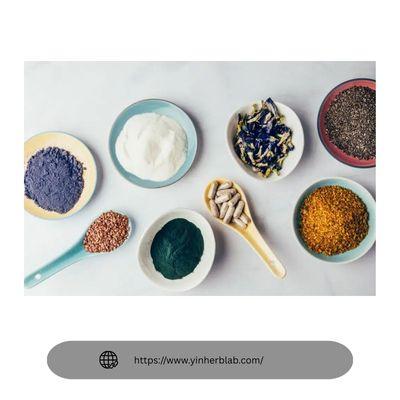
Nutritional Supplement Ingredients: What Really Works & What to Avoid
Millions of people take supplements — from multivitamins to herbal extracts — hoping to boost health, improve performance, or fill nutritional gaps. But not all supplements are created equal. Some have strong scientific support, others show mixed results, and some may even be harmful.
Here’s a practical guide.
✅ Supplements That Really Work (Backed by Research)
1. Vitamin D
Why it works:
Important for bone health, immune function, and mood regulation.
Evidence:
Many people (especially in low-sunlight regions) are deficient. Supplementation improves bone density and may reduce risk of respiratory infections.
Best for: People with low sun exposure, older adults, and those with confirmed deficiency.
2. Omega-3 Fatty Acids (EPA & DHA)
Why it works:
Anti-inflammatory fats found in fish oil.
Benefits:
-
Heart health support
-
May lower triglycerides
-
Supports brain and eye health
Best for: People who eat little to no fatty fish.
3. Creatine Monohydrate
Why it works:
One of the most researched sports supplements.
Benefits:
-
Increases strength and muscle mass
-
Improves performance in high-intensity exercise
-
Safe for most adults
Best for: Athletes, resistance trainers, and older adults looking to preserve muscle.
4. Protein Powders (Whey, Pea, etc.)
Why it works:
Convenient way to reach protein goals.
Benefits:
-
Supports muscle repair and growth
-
Useful when dietary protein is low
Best for: People with increased protein needs.
5. Calcium
Why it works:
Essential for bones and teeth.
Benefits:
-
Helps prevent osteoporosis when combined with vitamin D
Best for: Women over 50 and people with low dietary calcium.
6. Probiotics
Why it works:
Live beneficial bacteria.
Benefits:
-
Can improve digestive symptoms
-
May support immune function
Notes: Effect varies by strain; pick one studied for your specific goal.
🤔 Supplements With Mixed or Limited Evidence
1. Multivitamins
What we know:
Most healthy people get enough nutrients from food.
Evidence:
Wide research shows minimal benefit for disease prevention in well-nourished adults.
When useful:
People with restricted diets or diagnosed deficiencies.
2. BCAAs (Branched-Chain Amino Acids)
What we know:
May reduce muscle soreness, but whole protein sources are more effective.
3. Green Tea Extract
What we know:
Some antioxidant and mild metabolic effects, but benefits are modest.
⚠️ Supplements to Avoid or Be Cautious With
1. High-Dose Fat-Burners & “Metabolism Boosters”
Often contain stimulants that can increase heart rate, blood pressure, and risk of side effects without meaningful fat loss.
2. Bitter Orange / Synephrine
Marketed as a fat-burner; may have similar risks to ephedra (a banned stimulant).
3. Stimulant-Heavy Pre-Workout Blends
Can cause jitteriness, sleep problems, and heart strain — especially in sensitive individuals.
4. Unregulated Herbal Blends
Some products may be contaminated with heavy metals, pesticides, or unlisted drugs. Always choose third-party tested brands.
🔍 Key Principles for Safe Supplement Use
✔️ 1. Get Testing First
Don’t guess — test nutrients like vitamin D, B12, or iron before supplementing.
✔️ 2. Food First
Supplements are supplements — not replacements for a balanced diet.
✔️ 3. Quality Matters
Look for third-party testing seals (USP, NSF, ConsumerLab).
✔️ 4. Be Wary of Big Claims
If it sounds too good to be true (“burn fat while you sleep”), it probably is.
✔️ 5. Check Interactions
Supplements can interact with meds (e.g., blood thinners + vitamin K) — talk to a clinician.

 English
 Arabic
 Spanish
 Portuguese
 Deutsch
 Türkçe
 Dutch
Dutch
 Italiano
 Russian
 Romaian
 Portuguese (Brazil)
 Greek
Greek